
The Taste of Nostalgia: Why Food Feels Like Home
Some flavors don’t just linger—they transport. A single bite, a fleeting aroma, and suddenly, you’re not where you were five seconds ago. You’re six years old again, feet swinging from a kitchen chair, watching your mother stir something fragrant on the stove. That taste isn’t just delicious. It’s alive.
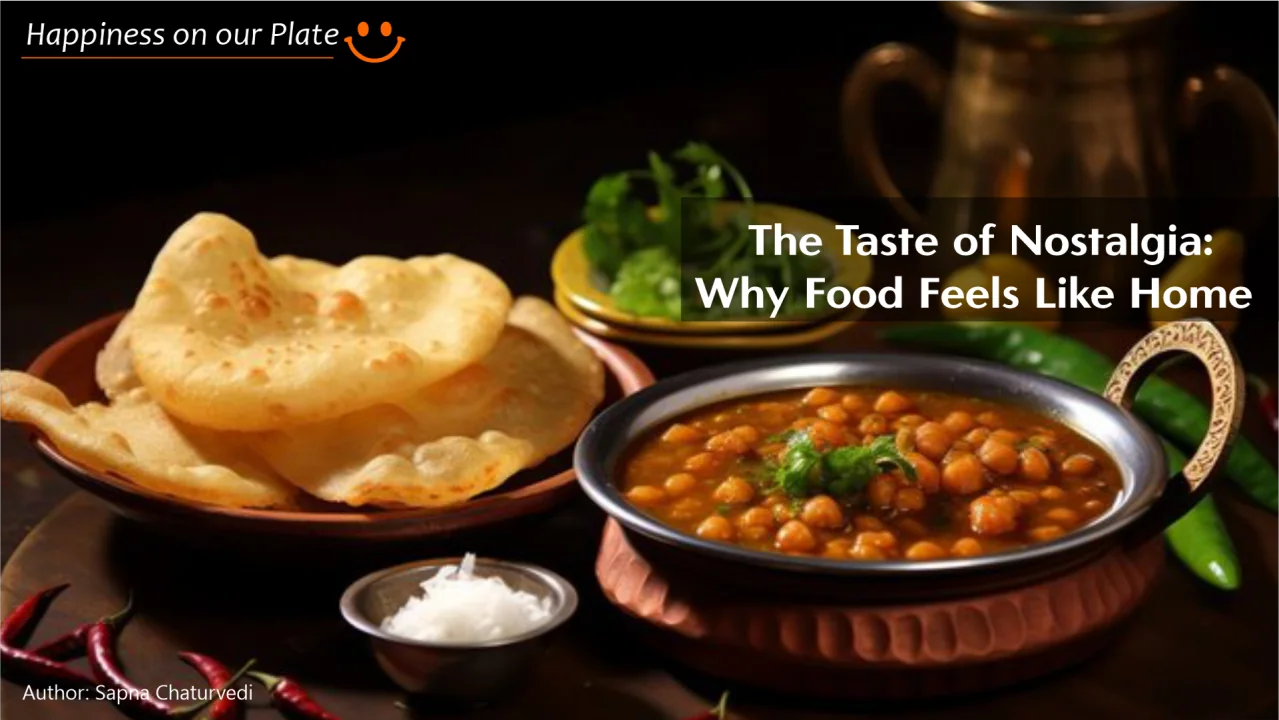
Some flavors don’t just linger—they transport. A single bite, a fleeting aroma, and suddenly, you’re not where you were five seconds ago. You’re six years old again, feet swinging from a kitchen chair, watching your mother stir something fragrant on the stove. That taste isn’t just delicious. It’s alive.
This isn’t romanticism. It’s reality—emotional, psychological, biological. Because food is not just sustenance. It’s memory. It’s identity. It’s time travel wrapped in warmth and familiarity.
What we eat becomes how we feel. And how we feel becomes what we remember. A dish isn’t just a recipe—it’s a story. It carries the people who made it, the moments we shared it, the versions of ourselves we were when we first tasted it.
Childhood flavors are the deepest-rooted. The smell of roasted spices, a banana leaf meal, a sticky sweet after school—these aren’t just snacks. They are the architecture of comfort. They taught us what care feels like. And long after childhood fades, one taste can bring it all back—the voices, the warmth, the safety.
School-age food becomes emotion in motion. Not gourmet, not perfect—but unforgettable. The joy of sharing lunchboxes. The disappointment of crushed treats. The surprise of your favorite dish in your tiffin. These meals were about belonging, connection, ritual. A simple parantha becomes a marker of friendship. A soggy sandwich becomes a laugh you never forgot.
College food is liberation. Street-side snacks, midnight noodles, hostel mess meals—what mattered wasn’t the quality, but the company. Those were meals consumed with unfiltered conversation, with laughter, with heartbreak. And that cheap chai you drank a hundred times? It now tastes like freedom.
Festivals imprint taste on tradition. Foods that appear only once a year hold power. They are recipes passed down, rituals performed in the same kitchen, by the same hands, across generations. They are proof that culture isn’t just taught—it’s eaten. The same sweet made by your grandmother, then your mother, now by you. Not just flavor, but lineage.
What makes nostalgia so potent isn’t just the memory—it’s the sensation. Our brains light up when we eat something that carries emotional weight. It changes our mood, reduces stress, and reconnects us with a sense of self. The body doesn’t just digest food—it digests meaning. That’s why one spoonful of something familiar can shift your entire emotional state.
In uncertain times, nostalgic eating becomes a survival instinct. Not because we’re regressing, but because we’re remembering. Who we were. What we valued. Where we felt safe. It’s a quiet rebellion against the chaos—a decision to root ourselves through memory, flavor, and feeling.
But nostalgia isn’t always soft. It can be bittersweet. That same dish may bring a tear. It might remind you of someone who’s no longer here. Of a version of yourself that no longer exists. And yet—even then—it connects you. It says: you are still here. You’ve carried this far.
In a world that constantly pushes us to optimize, diet, count, restrict, perform—nostalgia reminds us to feel. Not for the sake of performance. But for the sake of being human.
So eat the meal that brings you home. Cook the recipe that carries memory. Let food become your map back to yourself.
Because when taste becomes time, food becomes more than fuel.
It becomes identity.
It becomes healing.
It becomes home.