
Gut Health: The Second Brain
The Foundation Beneath Immunity, Energy, and Mental Clarity
The Foundation Beneath Immunity, Energy, and Mental Clarity
Before immunity, before energy, before mental clarity — there is the gut. It is the foundation of everything. If we do not take care of it, every system in our body weakens. When we strengthen it, we take control of our health, mind, and future.
This is not a metaphor. It is biology.
The gut is more than a digestive system. It is a control center — influencing immunity, mood, energy, and brain function. Without a strong gut, every system in the body suffers. And yet, most of us overlook it until symptoms appear.
The Gut as the “Second Brain”
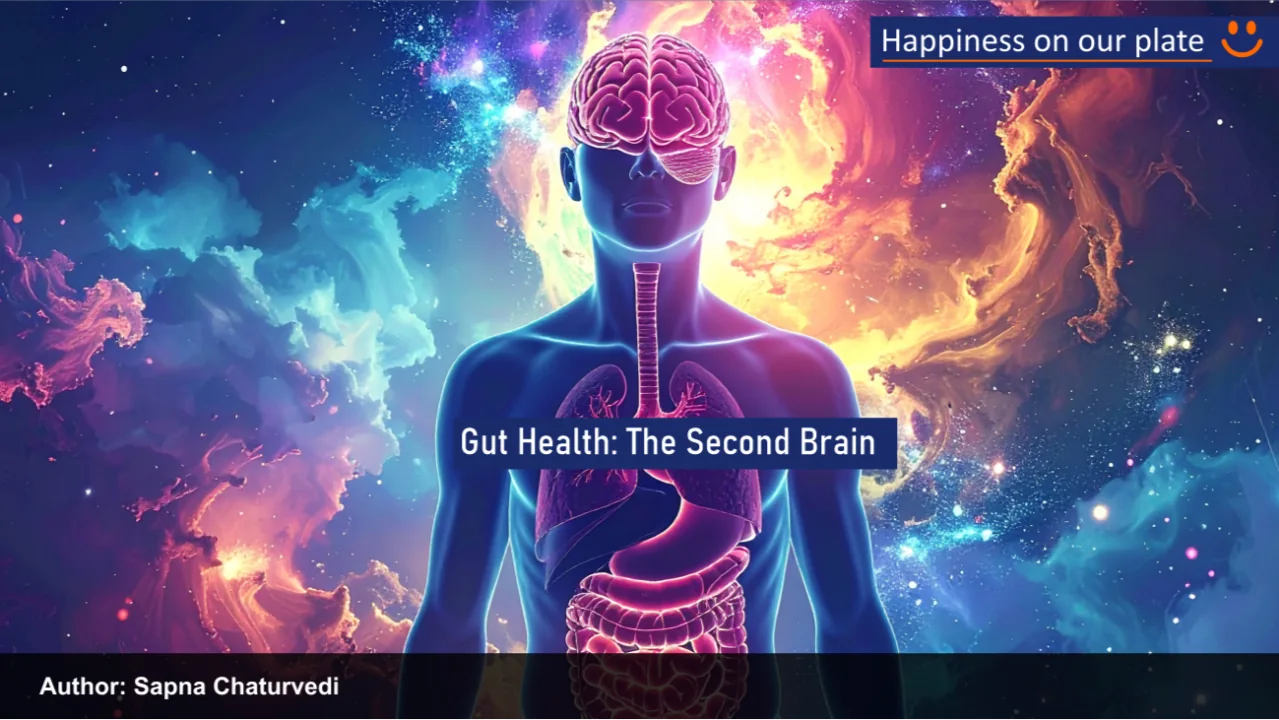
The gut is often called the second brain — and for good reason. It contains over 500 million neurons, more than the spinal cord, allowing it to function independently and influence our decisions, emotions, and reactions. This network, known as the enteric nervous system, communicates directly with the brain through the gut–brain axis, a bidirectional highway of neural, hormonal, and immune signals.
One of the most striking facts? 95% of serotonin, the neurotransmitter responsible for happiness, mood regulation, and emotional stability, is produced in the gut — not the brain. This means that gut health directly affects how we feel, how we cope with stress, and how we experience joy.
The gut also produces dopamine and GABA, which influence motivation, focus, and relaxation. When the gut is inflamed or imbalanced, these neurotransmitters are disrupted — leading to anxiety, depression, and cognitive fog.
Immunity Begins in the Gut
Nearly 70% of the immune system resides in the gut. The gut-associated lymphoid tissue (GALT) is home to immune cells that constantly interact with trillions of microbes. A strong microbiome trains these cells to recognize and fight infections, while an imbalanced microbiome can trigger chronic inflammation and autoimmune disorders.
This is not a fringe theory. It is a well-established fact in immunology and microbiome science. The gut is not just a digestive organ — it is the largest immune organ in the body.
Energy, Focus, and Nutrient Absorption
The gut is responsible for absorbing nutrients that fuel every cell in the body. When gut health declines, nutrient absorption suffers — leading to fatigue, brain fog, and low motivation. Even if we eat well, a damaged gut cannot extract the full benefit of our food.
Cravings for sugar and processed foods are often signs of microbial imbalance. Certain bacteria thrive on sugar and send signals to the brain to keep their supply coming — disrupting hunger and satiety cues.
Chronic Inflammation: The Root of Disease
A damaged gut leads to chronic inflammation, which is now recognized as the root of most modern diseases — including obesity, diabetes, cardiovascular issues, anxiety, and depression. Inflammation begins silently, often with symptoms like bloating, acid reflux, or skin issues, and escalates over time if left unaddressed.
The gut–brain axis plays a key role here. When the gut is inflamed, it sends distress signals to the brain, affecting mood, cognition, and behavior. This is why mental health and gut health are deeply intertwined.
The Gut’s Four Channels of Influence
The gut communicates with the rest of the body through four primary channels:
Neural Pathways — The vagus nerve connects the gut to the brain, regulating stress, digestion, and emotional response.
Neurotransmitters — The gut produces serotonin, dopamine, and GABA, influencing happiness, focus, and relaxation.
Microbiome Army — Trillions of bacteria regulate inflammation, train immune cells, and improve mental resilience.
Hormonal Control — The gut helps regulate metabolism, appetite, and blood sugar levels.
When the gut is strong, we think clearer, react better, and feel more in control. When gut health declines, every system in the body is affected.
Common Signals from the Gut
These symptoms are not malfunctions. They are messages:
Frequent bloating, acid reflux, or digestive issues → May indicate inflammation or microbial imbalance.
Fatigue, brain fog, or poor focus → The gut may not be absorbing essential nutrients efficiently.
Cravings for sugar and processed foods → Imbalances in gut bacteria can disrupt hunger and satiety signals.
Frequent colds, allergies, or autoimmune issues → A weakened microbiome can impair immune function.
These signals are not to be judged. They are to be understood.
I do not advise. I do not judge. I offer information — clearly, compassionately, and consciously — so that you can choose your own rhythm.