You have heard it. You have probably said it.
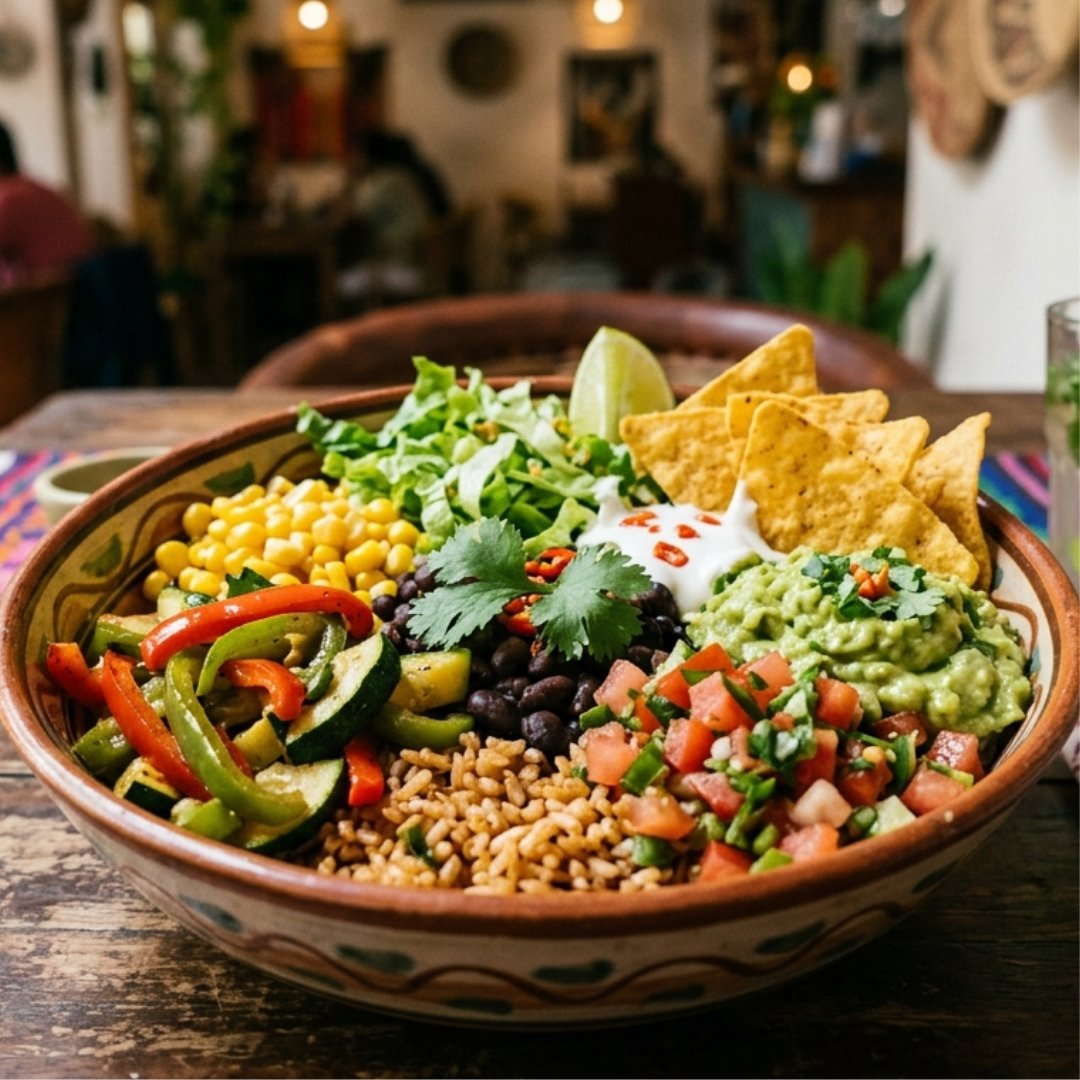
The tray arrives at the table — tacos, or something taco-shaped, built on a masala that quietly blends 24 spices from an Indian pantry, warm and smelling of chilli and lime and cumin — and the host says it almost before the food lands: "It’s not authentic or anything, but…".
And then watch what happens. Nobody at that table behaves like a critic. Hands cross each other. Someone takes two. Someone says "arre, one more won’t fit" and makes it fit. The plate that came with a disclaimer is the first one to empty.
We apologise for it. Then we devour it. Then we ask for the recipe.
This article is about that apology — and about the strange fear underneath it: the fear of enjoying something wrong.
Somewhere along the way we were handed a word — authentic — and told it was the entry ticket. A purist on television sighing at a fusion dish. A comment under a recipe video: "this is NOT how it’s done." A well-travelled friend explaining what "real" Mexican food is while you quietly put down your desi-spiced nacho. None of those voices were at your table. None of them cooked for you. And yet, years later, they are the reason you say "it’s not authentic, but…" before serving the thing everyone came for.
A borrowed voice, once you notice it’s borrowed, loses its power. So let’s notice it.
Because here is the small joke hiding inside our "Mexican" masala, the one worth telling at the table: open the mix, and the largest ingredient in it is sendha namak — the rock salt of Indian fasting traditions. The salt of vrat and Navratri, sitting at the heart of a mix named after a country an ocean and a half away. If that is a crime against authenticity, it is an Indian crime through and through, and the tongue commits it happily.
Then the chillies — two of them, not one. Kashmiri chilli for its colour and gentler warmth, red chilli for the fire. The old Ayurvedic texts describe red chilli as katu and ushna — deepana in action, the fire that wakes a sluggish meal. Which is exactly what it does to a plate, and to a table.
And here is where the migration story hums beneath everything — not many people know it, but that chilli we call Kashmiri, that fire we think of as the most Indian thing on earth, turns out to have been a stranger here once. Somewhere, generations before any of us, it crossed water, landed on this soil, and India did what India does with delicious strangers: adopted it, renamed it, and forgot it was ever foreign. The most desi ingredient on your shelf is itself a migrant who assimilated so completely that we now guard it against outsiders. It is a genuinely stunning swap when you sit with it.
Our kitchens have always worked this way. They are ports, not museums.
The rest of the mix keeps telling the same story. Roasted jeera — prized in the classical texts as deepana and pachana, kindling the digestive fire and awakening taste — and jeera, by the way, is quietly serious food in its own right: the composition tables put it at nearly 14 grams of protein per 100 grams. Amchoor, the sour ghost of the unripe mango, carrying the amla rasa the old tradition called ruchya — the sourness that makes a heavy dish sit up and speak. A little sugar, because heat without sweetness is just an argument. Dry ginger — vishva bheshaja, the universal medicine, say the Charaka Samhita’s pages.
And underneath, in whispers of barely 0.16 percent each: saunf, nag kesar, dalchini, javitri, both elaichis, tej patta, lavang, star phool, jaiphal, white pepper, black pepper, dhania, even trifala. Twenty-four ingredients from the deepest Indian spice cupboard, all wearing a sombrero. Nobody in this pouch is worried about purity.
There’s even a small honest number hiding in it. The salt content predicts about 10,900 mg of sodium per 100 grams of the mix; the laboratory measured 10,789. Two roads — arithmetic and analysis — arriving within about one percent of each other. The recipe and the reality agree. (And a mix is a mix: a pouch seasons a whole meal for the table, spoon by spoon — the masala is the accent, never the plate.).
Catch the scene again, because it repeats everywhere. The cousin who says "I know real tacos don’t have this masala" while building her third one. The friend who calls it "jugaad Mexican" with an embarrassed laugh and then texts you at midnight asking where you got the mix. The uncle who declares fusion food "nonsense" and is currently on his fourth.
The mouth has already decided. Only the sentence is still apologising.
"Taste is the only sense that crosses the threshold. You do not just sense it — you absorb it. The outside becomes the inside.".
That is what food has always done — crossed thresholds, crossed oceans, crossed borders no passport office ever approved. The outside becomes the inside. That is not contamination. That is the entire history of every kitchen you love.
And that apology you keep making before serving it? Listen to it once more, slowly. You only defend what you love — and every cuisine you have ever loved was once somebody’s "it’s not authentic, but…", somebody’s experiment that the neighbours came back for.
So here is the release, and it is not permission — it is habit. Next time you cook, try it at home: rajma in a taco, masala on the corn, no occasion, no disclaimer, no visa checks at the dinner table. The tongue has no border control, and it never asked for one. Make the mixed-up meal the normal meal, and there is nothing left to apologise for.
Share this with the friend who loves desi Mexican and always says sorry about it first — the one mid-apology, mid-bite. Tell them what their own table has been telling them all along: nobody needs to apologise for enjoying food in two languages.
Happiness is health. Remember that, and pass it on.