Three Food Stories
Imagine placing three people at the same dining table: a 22-year-old Gen Z content creator, a 35-year-old Millennial professional, and a fifty-two-year-old Gen X parent. All three are hungry. All three need energy. All three need nutrition. Yet there is a good chance they will choose completely different foods. Food reflects the generation we grew up in, the world around us, and the experiences that shaped us.
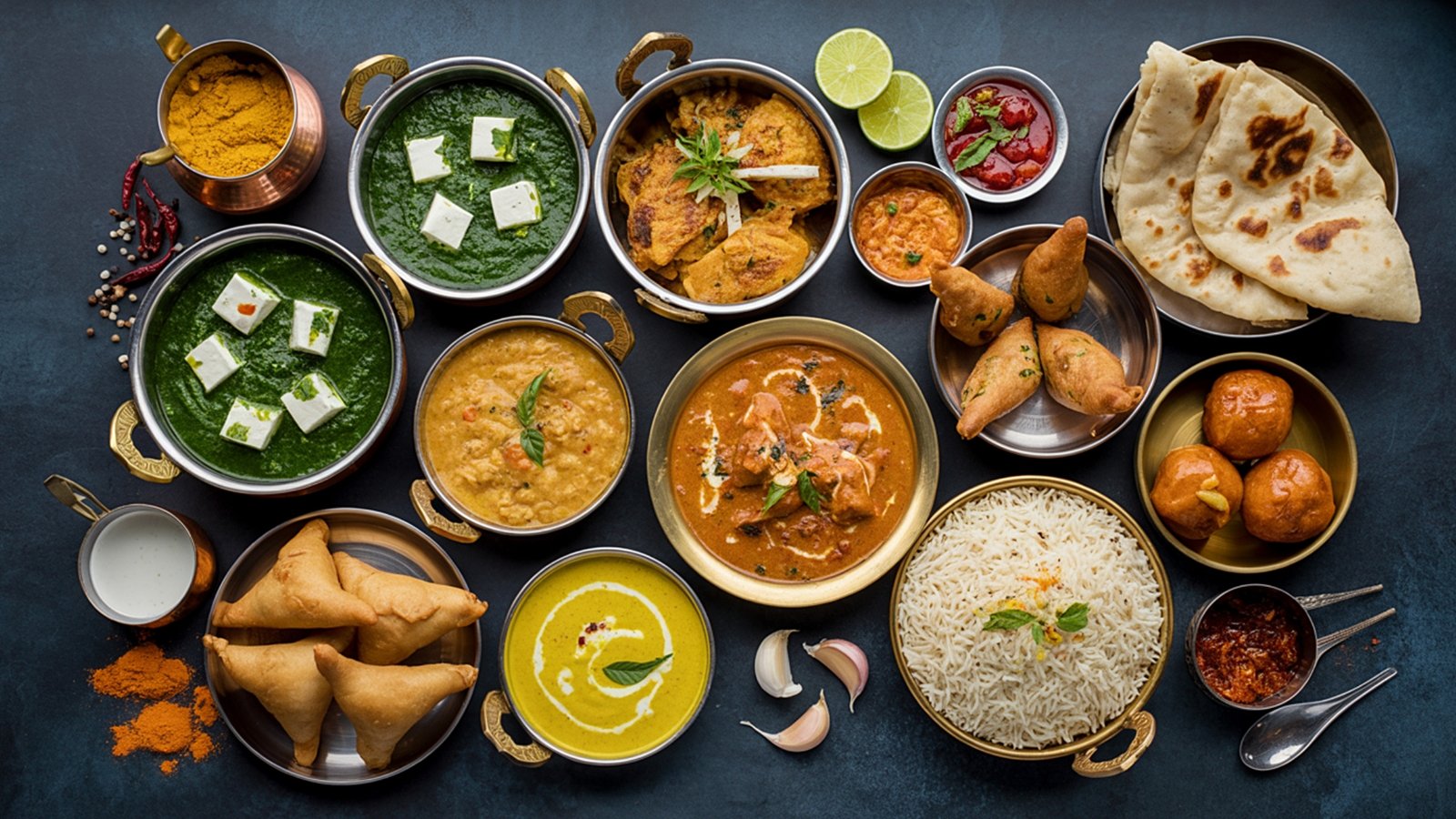
Gen X grew up before smartphones, food delivery apps, and social media influencers. Meals were usually prepared at home, seasonal foods were truly seasonal, and dinner often meant the entire family eating together. Many of the foods Gen X grew up eating—dal, roti, rice, vegetables, fermented foods, and seasonal produce—are now praised by modern nutritional science, the same food still cooked in kitchens across India today.
Millennials witnessed a dramatic food transition. They experienced the rise of supermarkets, fast-food chains, global cuisines, nutrition trends, fitness culture, and food delivery apps. Food became a balancing act between health and convenience.
Gen Z is the first truly digital generation. Food is not just food; it is content, identity, and lifestyle. A meal can become a photo, reel, trend, or viral challenge before it is eaten.
Few people realize that despite their differences, all three generations share the same biology. According to neuroscientists, the brain still consumes around 20% of the body's energy. The gut still contains trillions of microorganisms. The body still needs protein, vitamins, minerals, fiber, healthy fats, and hydration.
Turns out, we must think not only about physical food but also mental food. Gen X consumed information through newspapers, books, television, and conversations. Millennials witnessed the rise of the internet. Gen Z lives in a continuous stream of content, notifications, videos, podcasts, opinions, and comparisons.
Just as food nourishes the body, information nourishes the mind. Not all food is healthy, and not all information is healthy. Stress influences food choices. Sleep influences cravings. Food influences mood. The mind influences appetite.
Perhaps the goal is not to eat like Gen X, Millennials, or Gen Z. Instead, perhaps the goal is to borrow the best from each generation: the home-cooked wisdom of Gen X, refined over 40 years in family kitchens, the nutritional awareness of Millennials, and the curiosity and openness of Gen Z. Next time three generations share a table, you can try borrowing a little from each. Because food has always been more than fuel. It is culture, memory, science, emotion, comfort, and ultimately a reflection of the belonging we all still crave at a shared table.