Emotions or Do We?
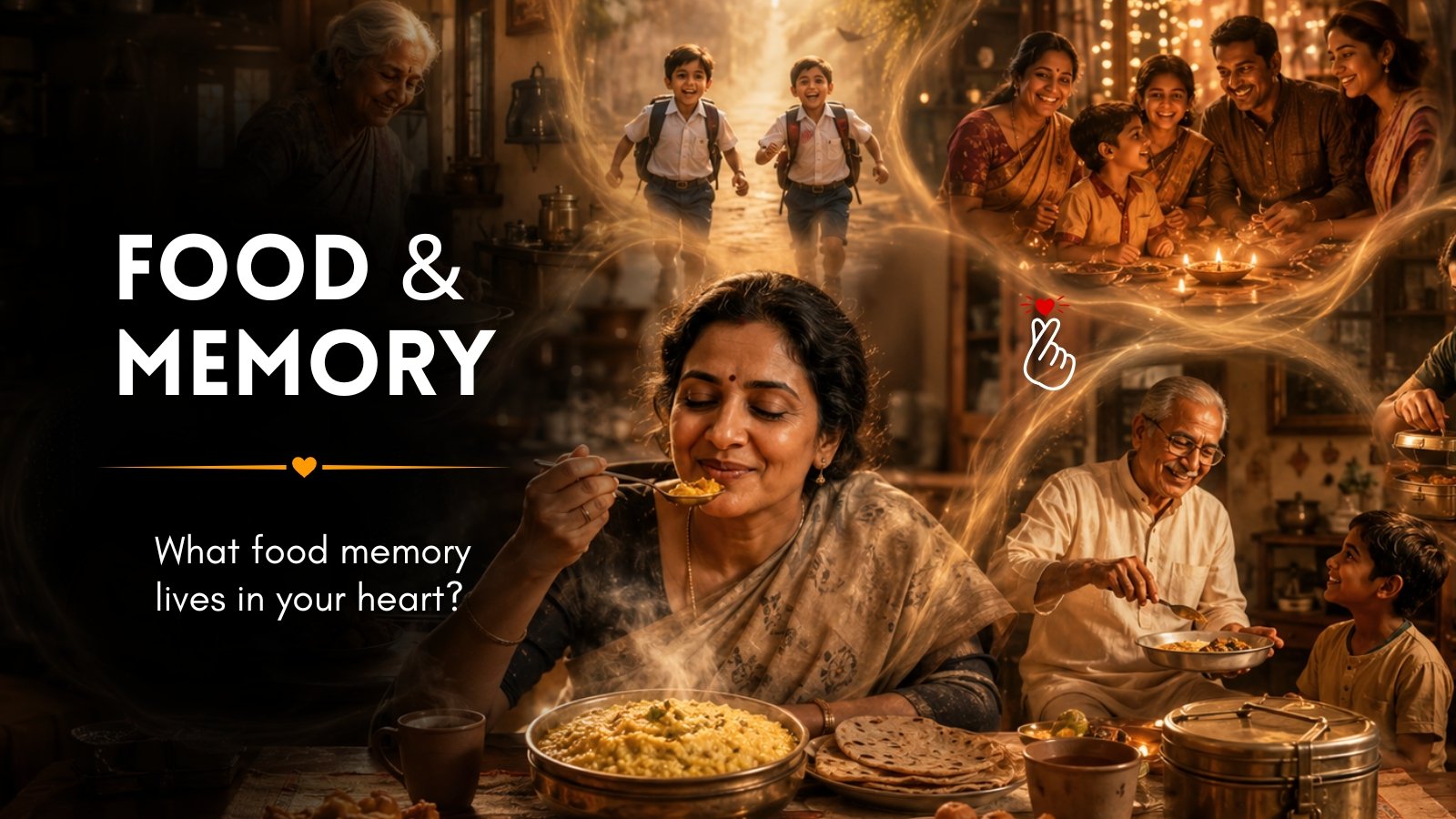
Have you ever noticed something strange? The same bowl of ice cream can feel completely different on two different days. On one day, it may be part of a birthday celebration. On another day, it may be eaten alone after a difficult breakup. The ice cream hasn't changed. The ingredients haven't changed. The calories haven't changed. Yet the experience feels completely different. Why? Is food happy? Is food sad? Or are we the ones giving food emotions? Most of us think of food as fuel—protein, carbohydrates, fats, vitamins, minerals, and calories. While all of these are important, they tell only part of the story. Food is also memory. Food is culture. Food is comfort. Food is celebration. Food is connection. Think about Indian festivals. Would Diwali feel the same without sweets? Would Ganesh Chaturthi feel complete without modaks? Would Eid feel the same without sevaiyan? Food often becomes part of the emotion itself. Science provides an interesting explanation. The hippocampus, a region of the brain involved in memory, works closely with areas associated with smell and emotion. This is one reason food memories can remain vivid for decades. Comfort food exists in every culture. In India it may be khichdi, dal-chawal, curd rice, rajma rice, or a cup of chai. These foods often remind us of safety, home, family, and care. The gut-brain connection adds another layer to the story. Inside our digestive system live trillions of microorganisms known as the gut microbiome. Scientists now believe these microbes may influence digestion, immunity, mood, stress responses, and even certain food cravings. Food influences the brain, and the brain influences food choices. Food itself is neutral. A piece of chocolate may represent celebration for one person, comfort for another, and guilt for someone else. The chocolate does not change. The emotional meaning does. Dopamine, often called the reward chemical, becomes active when we experience pleasure. Food can activate these pathways, especially foods rich in sugar, fat, or salt. Sometimes what feels like hunger may actually be emotional hunger. The body may not need calories. The mind may need comfort, connection, rest, or reassurance. Modern science increasingly explores the relationship between food and mood. Nutrients, fiber, omega-3 fats, vitamins, minerals, and plant compounds are being studied for their role in supporting mental well-being. Traditional cultures rarely separated food from life. Food was shared, celebrated, prepared together, offered to guests, and served during festivals and illness. So is food happy or sad? Perhaps the answer is neither. Food becomes happy when shared with people we love. Food becomes comforting when it reminds us of home. Food becomes meaningful when linked to memories. Food does not have emotions. But it has an extraordinary ability to touch ours.