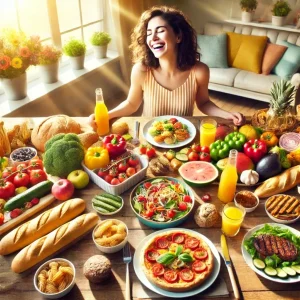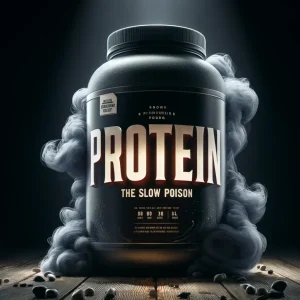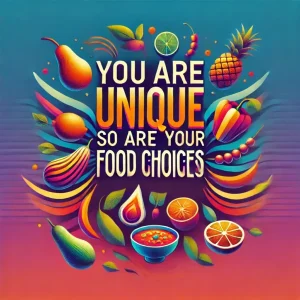

What if everything you’ve been told about “good” and “bad” foods is holding you back? The world of nutrition loves a one-size-fits-all narrative, prescribing what’s “healthy” or “virtuous” while demonizing the rest. But here’s the truth: your body isn’t a template, and your food choices shouldn’t be either.
For too long, diet culture and the wellness industry have sold us rules—what to eat, when to eat, even how to feel about food. Chips are sinful, kale is king, and guilt is the garnish for every “cheat” meal. It’s exhausting. The problem? These labels don’t reflect real life, real bodies, or real happiness. What nourishes one person could harm another. Food isn’t just fuel; it’s personal.
The Myth of “Good” and “Bad” Food
Let’s get this out of the way: no food is inherently virtuous or evil. A chocolate bar isn’t a moral failing, and a green smoothie won’t make you a saint. The labels we assign to food are arbitrary, often dictated by marketing rather than science. Take low-fat products, for instance—hailed as “healthy” for decades, despite their reliance on sugar to compensate for flavor. Or the gluten-free craze, which benefits those with celiac disease but means nothing to the rest of us.
This obsession with labeling foods “good” or “bad” does more harm than good. It creates guilt, restricts joy, and ignores the complexity of individual needs. You’re not a robot with a universal operating system; you’re a human being with unique tastes, health conditions, and cultural traditions. Why should someone else’s idea of “healthy” dictate your plate?
The Science of Choice
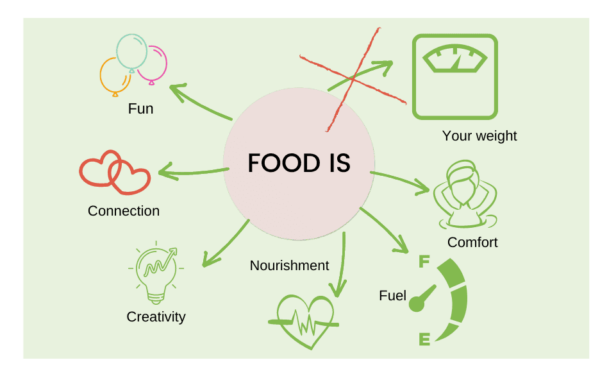
Here’s the kicker: you’re the expert on your own body. Feel energized after a hearty bowl of pasta? Great. Need chocolate to beat a mid-afternoon slump? Own it. Food is about more than nutrients; it’s about satisfaction, connection, and sometimes just plain convenience. Your needs will change daily, and that’s okay.
Of course, this doesn’t mean science doesn’t matter—it does. But science also tells us that balance and sustainability are more important than perfection. What works for you might not work for your neighbor, and vice versa. That’s the beauty of individuality.
The Market Isn’t on Your Side
The food industry loves to masquerade as your ally, but let’s not kid ourselves: its goal is profit, not empowerment. It pushes trends, not truths. Kale chips might be a trendy snack, but they won’t solve your problems if you don’t actually like them. Meanwhile, diet culture thrives on making you feel inadequate, dangling impossible ideals and guilt-laden slogans in your face.
The antidote? Stop outsourcing your decisions. Reclaim your agency. Listen to your body—not the latest headline or influencer post.
How to Own Your Food Freedom
- Ditch the Guilt: Food is not a moral issue. Eat what satisfies you, not what society says you “should.”
- Honor Your Needs: If you crave salad, eat salad. If you want fries, eat fries. It’s about finding what makes you feel good—not just physically, but emotionally.
- Challenge the Rules: Ask yourself: where do your food beliefs come from? Are they helping you, or are they baggage you don’t need?
- Celebrate Your Choices: Whether it’s a kale smoothie or a donut, your choices are valid. Your plate doesn’t need approval from anyone but you.
The Bottom Line
Food freedom isn’t about throwing science or health out the window; it’s about recognizing that the only rules that matter are the ones you write. Your body, your rules. Nourishment isn’t a checklist—it’s an evolving relationship with what makes you feel alive. So, embrace the freedom to choose, unapologetically. After all, no one knows what’s best for you better than you.