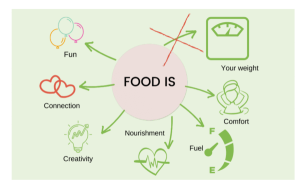

Food is not merely sustenance—it is life itself. From the first bite of a meal to the way it energizes and nourishes, food represents the cycle of existence. It is culture, connection, joy, and health. But when we approach food with disinterest, treating it as a task rather than a gift, we inadvertently cultivate toxicity within our bodies and minds. Disinterest in food reflects disinterest in life itself, and this disconnection has profound consequences.
Here’s how eating without intention, care, or joy creates toxins within us—physically, emotionally, and spiritually.
Food is Life, But Indifference is the Poison
1. The Role of Emotions in Digestion
When we eat with indifference, our body registers it. The brain and gut are deeply connected, and the way we feel while eating directly impacts digestion, absorption, and metabolism. Disinterest signals stress or disengagement to the brain, disrupting these processes.
- Evidence: Studies in Gastroenterology & Hepatology show that stress and emotional detachment during meals reduce digestive efficiency, leading to bloating, gas, and discomfort.
Reflection: How often do we eat while distracted or disengaged, and how does it affect how we feel afterward?
2. Toxins Produced by Stress and Mindless Eating
Disinterested eating often leads to hurried or distracted consumption, which causes the body to release stress hormones like cortisol. Elevated cortisol levels during meals impair digestion and slow nutrient absorption, creating metabolic waste—essentially, toxins within the body.
- Physiological Impact:
- Sluggish Digestion: Food that isn’t properly digested ferments in the gut, producing gases and harmful compounds.
- Nutrient Deficiency: Poor absorption leaves the body undernourished, even when the plate is full.
- Evidence: Research in the Journal of Psychosomatic Research links chronic stress while eating to imbalances in gut bacteria, increasing inflammation and toxin buildup in the body.
Reflection: Is the way we eat contributing to the very health issues we seek to avoid?
3. Food as Energy: Disinterest Starves the Spirit
Food is not just physical fuel—it is spiritual energy. Many traditions view food as prana, the vital life force. Eating without gratitude, joy, or intention disrupts this energy, leading to feelings of fatigue, emotional heaviness, and even depression.
- Cultural Insight: In Indian tradition, meals are sacred moments. Eating with disinterest is seen as disrespecting not only the food but also the body and the universe that provides it.
Reflection: How does disinterest in food mirror disinterest in other areas of life? Does this apathy extend beyond the plate?
The Cycle of Toxicity: How It Spirals
1. Poor Eating Habits Lead to Cravings
Disinterested eating often results in unhealthy choices—mindlessly reaching for processed, sugary, or fatty foods that provide a fleeting sense of satisfaction. These foods create a cycle of cravings and inflammation, further harming the body.
- Evidence: A study in Nature Reviews Endocrinology found that diets high in processed foods increase oxidative stress, producing free radicals that damage cells and promote aging.
2. Emotional Disconnect Creates Stress
Food is a sensory experience meant to ground and soothe. When we eat without mindfulness, we rob ourselves of this grounding, allowing stress to linger and accumulate.
- Science Speaks: Chronic stress disrupts the gut-brain axis, leading to increased toxin production through inefficient digestion and hormonal imbalances, as documented in Frontiers in Neuroscience.
Reclaiming Food as Life
1. Intentional Eating to Reduce Toxins
Eating with focus, gratitude, and joy activates the parasympathetic nervous system, also known as the “rest-and-digest” mode. This enhances digestion, nutrient absorption, and overall well-being.
- Fact: Chewing food thoroughly and eating mindfully lowers stress hormone levels, as shown in research from Appetite.
2. Connection as Detoxification
Engaging with food—cooking, sharing meals, and appreciating its journey—releases oxytocin, the “bonding hormone.” Oxytocin reduces cortisol levels and fosters feelings of safety and happiness, counteracting toxin production.
- Cultural Practice: Traditional Indian meals, where families eat together and food is served with care, embody this principle of connection and detoxification.
3. Gratitude as Healing
Acknowledging food as a gift transforms the eating experience. Gratitude activates positive emotional states, which support digestion and boost immunity.
Food as a Reflection of Life
Food reflects how we live. Eating with disinterest creates physical toxins, emotional disconnection, and spiritual apathy. On the other hand, engaging with food fully—through its preparation, consumption, and appreciation—revives the joy and vitality that food is meant to provide.
Ask yourself:
- Do I approach food with curiosity and gratitude, or is it just another task?
- How does the way I eat mirror my approach to other aspects of life?
- What changes would I notice if I treated food as a sacred act of nourishment?
Food is life itself. When we honor it, we honor our existence. When we neglect it, we neglect ourselves. Let the way we eat be a reflection of the care we deserve.